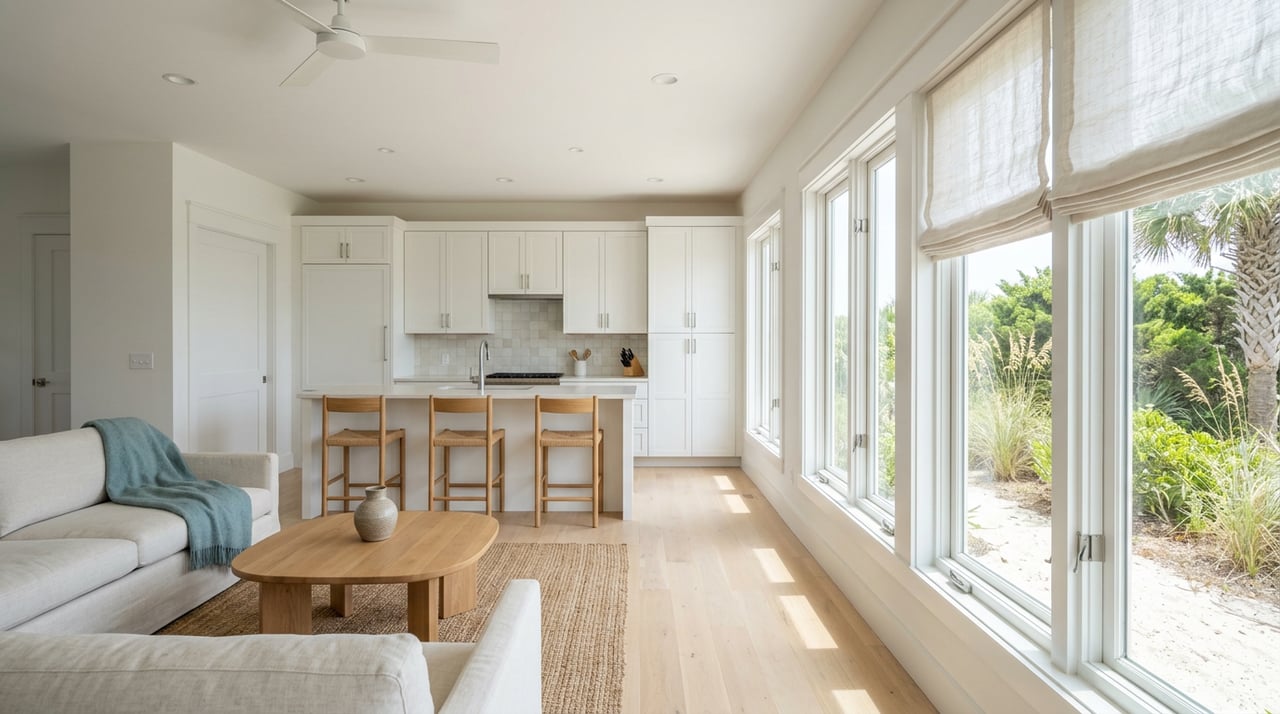
Step off the ferry, hear the surf, and leave your car behind. That is the daily rhythm on Bald Head Island, a rare North Carolina barrier island where golf carts and bikes set the pace. If you are weighing a second home here, you want clear answers on access, costs, risk, and rental potential. This guide gives you the essentials, plus a practical checklist to move forward with confidence. Let’s dive in.
Why Bald Head Island works
Bald Head Island offers a low-key coastal lifestyle with a car-free village feel. You move at cart speed and plan your days around the tide, not traffic. Inventory is limited and much of the housing is custom or luxury, which helps protect the island’s exclusive character.
The tradeoff is logistics. You reach the island by ferry, and most supplies and construction materials come by barge. If you want privacy, nature, and a quieter scene in exchange for a little extra planning, the fit can be excellent.
Getting there and around
Ferry, parking, timing
You access the island via the passenger ferry from Deep Point Marina in Southport. Review how the passenger system and mainland parking work, including schedules and fees, on the Village’s page about getting to the island. Because the ferry and barge are the main lifelines, confirm current operations and plan for extra time when moving people, groceries, furnishings, and contractor materials.
On-island transport
There are no private cars on Bald Head Island. You will use golf carts, bikes, and your own two feet. The Village requires golf-cart registration, inspection, and proof of liability insurance, which it outlines in its Villages Voice guidance. If you anticipate renovations, expect to coordinate with your contractor on barge schedules and permits.
What homes cost and what you get
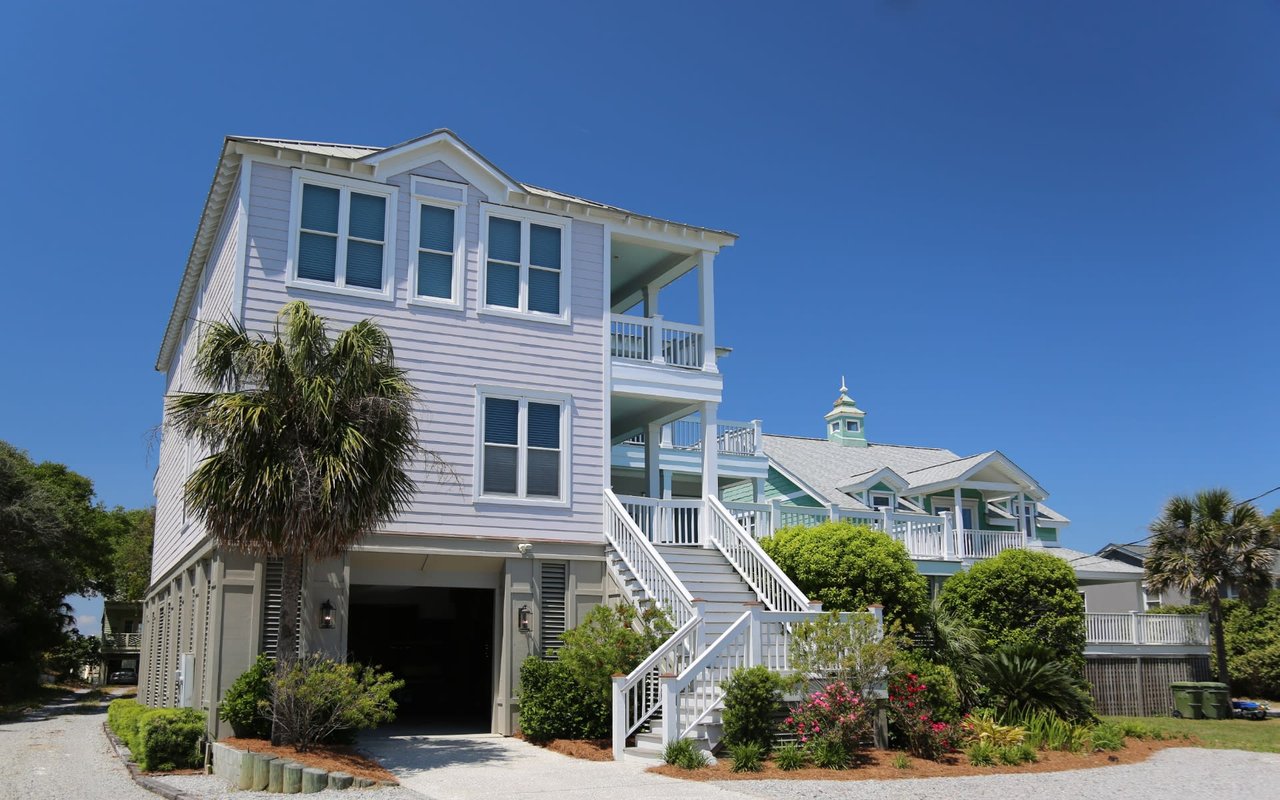
This is a high-end, limited-supply market. Zillow reports a typical home value around $1.36M as of January 31, 2026, and active inventory is usually measured in dozens, not hundreds. Homes are often elevated on pilings and designed for coastal conditions. Values vary widely by location and elevation. Oceanfront commands a premium, while maritime-forest or marsh settings offer more shelter and privacy.
For any specific property, have your agent pull recent comparable sales and review elevation, flood zone, and club or amenity access that may convey. Small details often drive big swings in value on the island.
Taxes, dues, and rules to budget
Your annual carrying cost includes several layers:
- Village of Bald Head Island and Brunswick County property taxes.
- Possible Municipal Service District (MSD) levies for shoreline protection in designated zones.
- Master association dues to the Bald Head Association (BHA) plus any sub-association dues, such as Harbour or Middle Island.
- Transfer fee for the BHA of $150 per sale.
The BHA publishes its current dues and taxes summary. Use it with the Village’s tax rates to model your full annual cost, then add insurance and a healthy coastal maintenance reserve.
If you plan exterior updates or new construction, budget for architectural review. The BHA’s Architectural Review Committee enforces community Design Guidelines, and the Harbour and Middle Island boards manage their areas. Start by reviewing the Architectural Review and Design Guidelines to understand submittals, fees, and typical timelines.
Flood, storms, and insurance
Bald Head Island sits squarely in a high-exposure coastal environment. The Village’s Program for Public Information reports that roughly 73–74% of structures are in FEMA Special Flood Hazard Areas, and about 95% of the island’s land lies in the 100-year floodplain when wetlands are included. Most improved parcels fall within AE or VE zones. The report is available here for context: Village PPI and flood data.
What this means for you:
- Get the effective FEMA flood zone, Base Flood Elevation, and an elevation certificate for any property you are considering.
- If you use a federally regulated lender and the home is in an SFHA, flood insurance is mandatory.
- Expect separate wind or hurricane coverage with different deductibles than a standard policy.
- Request the seller’s recent insurance renewals and claims history, then secure written quotes from coastal-experienced brokers before you commit.
Upgrades like elevating HVAC and electrical panels can reduce risk and may help with insurability.
Shoreline management to watch
The Village runs an active shoreline program that includes engineered groins, nourishment, and Coastal Storm Damage Reduction projects. Recent efforts include a 2024 bond referendum process and a planned 2025 CSDR project, summarized on the Village’s shoreline and bond page. Funding tools like MSD assessments and general obligation bonds can influence owner costs in specific areas. If you are considering oceanfront or near-ocean property, review the latest project schedules and the beach sector reports that apply to your location.
Coastal maintenance you should expect
Salt, UV, and humidity work harder on coastal homes. Plan on a tighter maintenance cadence than a mainland property:
- Rinse exteriors and decks more often and inspect fasteners and railings for corrosion.
- Service HVAC frequently and consider coastal-rated equipment to prolong coil and cabinet life. For practical guidance on coastal HVAC choices, this overview is useful: how to choose HVAC for coastal properties.
- Budget for more frequent paint and finish cycles.
- Hold a reserve for post-storm repairs and have a plan for quick contractor mobilization when needed.
Labor and materials often cost more due to ferry and barge logistics, so a preventive plan usually pays off.
Renting basics on BHI
Short-term rentals exist on the island, with peak demand in summer and major holidays. Seasonal population can swell into the thousands during peak months, which pushes occupancy and rates. Rental performance depends on location, bedroom count, condition, and whether club or Shoals Club access is available to guests.
If you choose to rent, owners must remit occupancy taxes to the Village and file monthly reports. The Village’s communication on this process is here: occupancy tax reporting. Make sure any income model includes operating costs specific to island logistics, including cleaning coordination, cart rentals, and linen turnover around ferry schedules.
What drives rental demand
- Oceanfront or near-beach proximity
- Updated condition and appealing interiors
- Bedroom count and flexible sleeping arrangements
- Club access or amenity passes, if they convey
- Thoughtful guest logistics: carts, beach gear, and clear arrival instructions
Due diligence checklist
Before you write an offer, line up these items to reduce surprises later.
Documents to request
- FEMA flood zone, Base Flood Elevation, and any elevation certificate on file.
- Recent insurance renewals and claims history for wind, hurricane, and flood.
- A full carrying cost estimate that includes Village and County taxes, any MSD assessments, master and sub-association dues, insurance, and maintenance.
- Any prior ARC approvals, permits, surveys, and site plans, plus current community Design Guidelines.
- The Village Code sections for floodplain and building standards, available in the Code of Ordinances PDF.
Pros to hire
- A buyer’s agent with island experience who understands ferry, barge, and contractor logistics.
- A coastal building inspector or structural engineer familiar with AE and VE foundations and pilings.
- An insurance broker experienced with NC coastal wind and flood policies.
- A local surveyor and title attorney to verify easements, shoreline rights, and any Coastal Barrier Resources Act considerations.
- A property manager if you plan to rent or live off-island for long stretches.
Is BHI right for you?
Bald Head Island rewards buyers who value a nature-forward, car-free lifestyle and are comfortable planning around ferry schedules. It asks you to budget for higher insurance, proactive maintenance, and layered dues and taxes. If that balance fits your goals, you get an island retreat with strong summer demand and a rare sense of escape.
If you are ready to explore homes or want help mapping costs, we are here. Derek brings the numbers and negotiation. Keirsten brings the visuals and presentation. Together, we help you buy with clarity and confidence. Reach out to South End Realty to start the conversation.
FAQs
How do you reach Bald Head Island year-round?
- You take the passenger ferry from Deep Point Marina in Southport, then use trams and golf carts on the island; review current schedules and parking details on the Village’s website before you travel.
What are typical home prices on Bald Head Island?
- It is a luxury market with limited supply; Zillow’s snapshot put the average home value around $1.36M as of January 31, 2026, with values varying widely by location and elevation.
What flood zones and insurance apply on Bald Head Island?
- Many homes sit in AE or VE zones within FEMA Special Flood Hazard Areas; lenders typically require flood insurance in SFHAs and separate wind or hurricane coverage is common.
What taxes and dues should a second-home buyer expect on Bald Head Island?
- Budget for Village and County property taxes, possible MSD shoreline assessments, master and sub-association dues, and the BHA transfer fee of $150 per sale, plus insurance and coastal maintenance.
Are short-term rentals allowed on Bald Head Island?
- Short-term rentals operate on the island and owners who rent must file monthly occupancy tax reports and remit accommodations taxes to the Village; confirm current rates and processes before projecting income.
How does shoreline protection affect owners on Bald Head Island?
- The Village funds ongoing shoreline projects, including nourishment and CSDR work, which can involve MSD assessments and bonds; project timing and sector details can influence costs for certain areas.