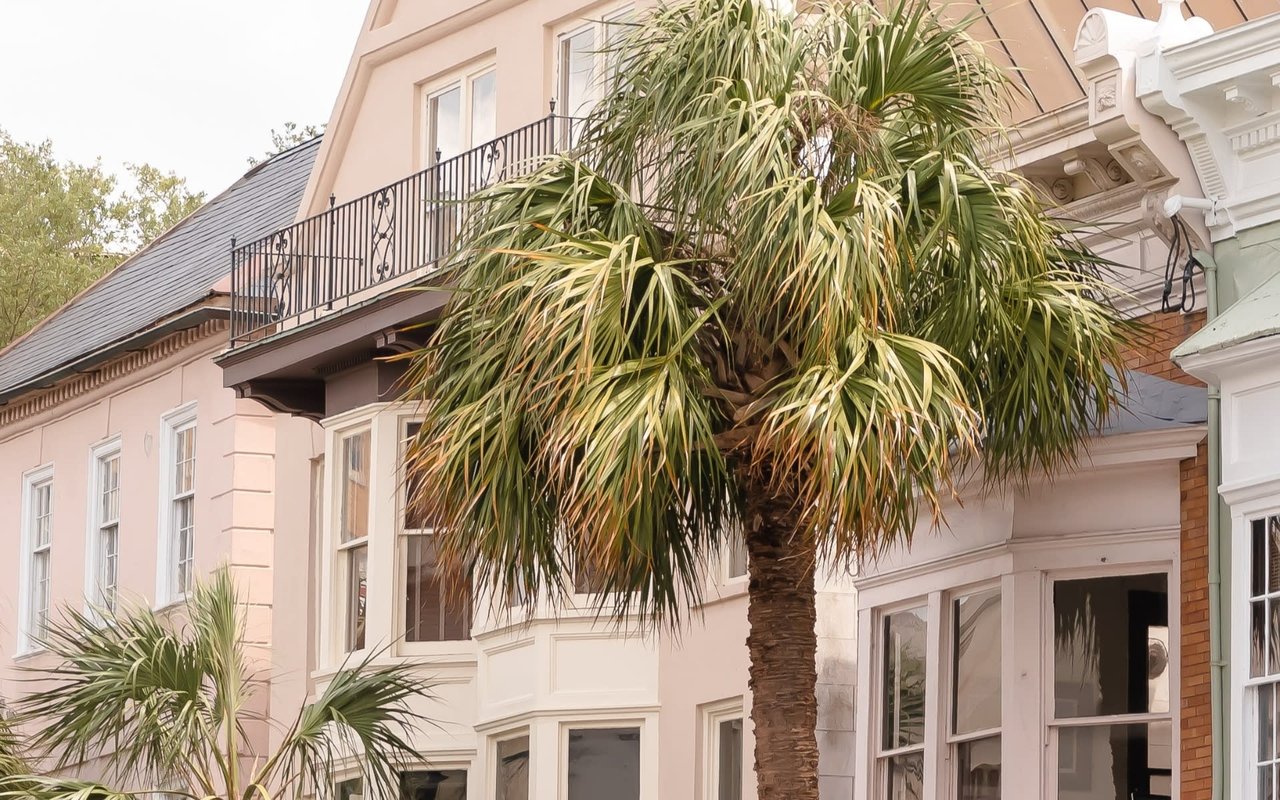
There's something special about the historic homes in Downtown Wilmington, NC. The wraparound porches, original hardwood floors, intricate woodwork, and tree-lined streets are a big part of what makes this area so charming.
And for many buyers, owning a piece of Wilmington's history is a dream.
But before you fall in love with a century-old home on Front Street or a charming bungalow near the Castle Street District, there's something important to understand: renovating a home in Wilmington's Historic District isn't always as simple as hiring a contractor and getting started.
Depending on where the property is located, even seemingly small exterior changes may require approval from the City of Wilmington.
That doesn't mean you should avoid buying a historic home. It just means there are a few things worth knowing before making an offer.
What Makes Downtown Wilmington's Historic District Special?
Downtown Wilmington is home to some of the most beautiful historic architecture in coastal North Carolina.
You'll find everything from grand Victorian homes and Queen Anne-style houses to Craftsman bungalows, historic cottages, and traditional Southern homes with expansive front porches.
Areas around South Front Street, Church Street, Nun Street, and the surrounding downtown neighborhoods are especially known for their historic character.
One of the biggest draws of living in Downtown Wilmington is the lifestyle. Depending on where you live, you may be able to walk to the Riverwalk, local coffee shops, restaurants, art galleries, and some of Wilmington's favorite neighborhood businesses.
But what makes these homes unique also comes with certain responsibilities.
Wilmington has established local historic districts to help protect the architectural character of its older neighborhoods. Within these designated areas, some renovations and exterior improvements require special approval.
It's important to understand that not every older home in Downtown Wilmington is subject to the same historic preservation rules. Restrictions depend on the property's specific historic designation and zoning.
Can You Renovate a Historic Home in Wilmington, NC?
Yes! You can absolutely renovate a historic home in Wilmington.
However, if the property falls within one of the city's locally regulated historic districts or overlays, certain exterior changes require a Certificate of Appropriateness (COA).
A COA is essentially an approval confirming that your proposed changes are compatible with the historic character of the property and surrounding neighborhood.
According to the City of Wilmington's Historic Preservation Department, exterior changes that may require review include:
- Replacing windows, doors, siding, or roofing
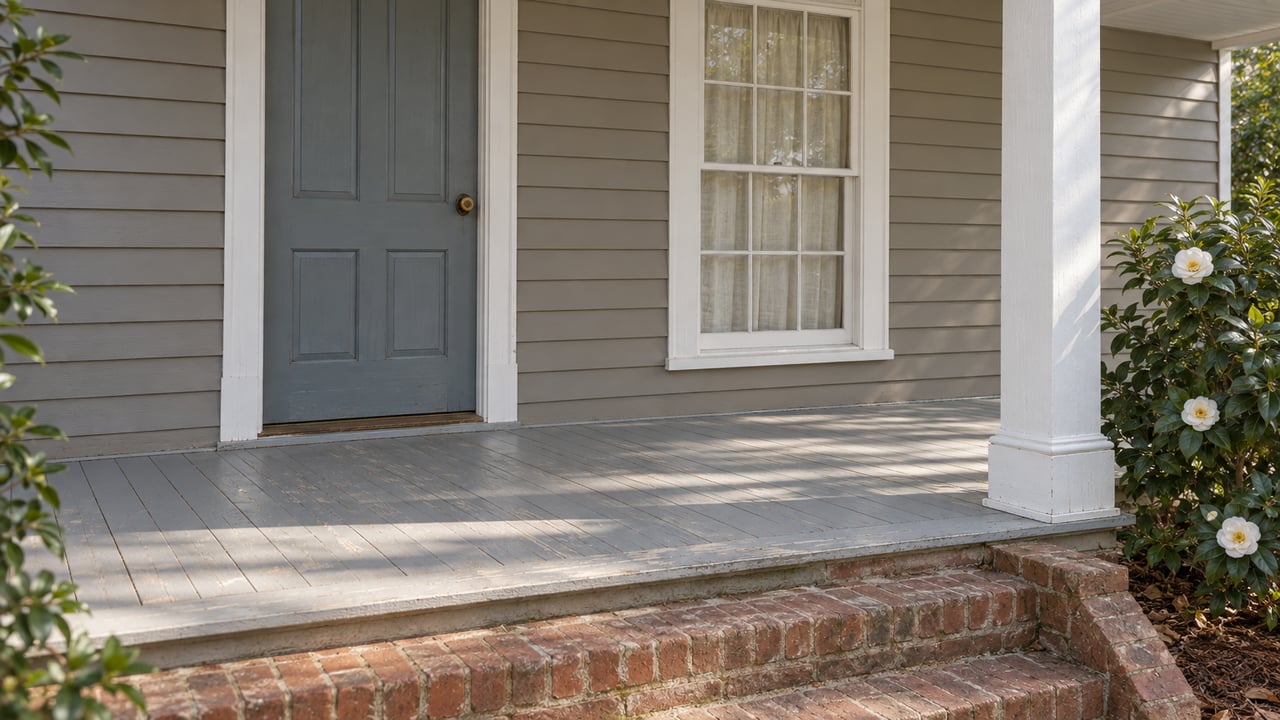
- Altering porches, columns, or other architectural details
- Building an addition or changing the home's exterior footprint
- Installing certain fences, walkways, or driveways
- Making changes to landscaping or removing certain trees
- Constructing new buildings or demolishing existing structures
The exact requirements depend on the type of project, the property's designation, and the city's current design standards.
What About Interior Renovations?
Here's some good news for buyers who love an older home's exterior but want a more modern interior.
Wilmington's local historic district design review generally does not regulate interior renovations.
That means you can typically update kitchens, bathrooms, flooring, and other interior spaces without going through the Historic Preservation Commission.
Of course, normal building permits and other applicable requirements may still apply.
So if you've been dreaming of a historic Downtown Wilmington home with a modern kitchen and updated bathrooms, it's certainly possible!
What Is the Certificate of Appropriateness Process?
Not every renovation requires a lengthy approval process.
The City of Wilmington divides historic preservation applications into two general categories.
Minor work: Smaller projects may qualify for administrative approval through the city's Historic Preservation Planner. This allows certain changes to be reviewed without a full public commission hearing.
Major work: Larger projects, such as significant exterior alterations, additions, and certain new construction, require review by the Historic Preservation Commission.
The important thing to remember is that approval isn't automatic.
If you're purchasing a historic home with plans to renovate, it's worth discussing your ideas with the city's preservation staff before committing to a major project.
Why Renovating an Older Home Can Take Longer Than Expected
Let's say you find a beautiful historic home in Downtown Wilmington that checks almost every box.
It has original hardwood floors, tall ceilings, and a fantastic location. But the porch needs work, several windows need replacing, and you'd love to add a little more living space.
In a home outside the historic district, your renovation might primarily involve finding a contractor, securing the necessary permits, and getting started.
In a locally regulated historic district, there may be an additional step.
Before certain exterior renovations begin, your plans need to meet the city's historic preservation standards.
This can affect everything from the materials you use to the overall design of an addition.
For example, replacing original wood windows with a completely different style or material may not meet preservation requirements. In some cases, repairing the original windows may be the preferred approach.
The same goes for siding, porch columns, roofing, and other architectural details.
Our advice? If you're considering a historic fixer-upper, do your homework before closing.
Get estimates from contractors familiar with historic properties, confirm which improvements require approval, and build some flexibility into your renovation budget and timeline.
What Should You Look for When Buying a Historic Home in Downtown Wilmington?
Historic homes have a lot of character, but they can also come with maintenance needs that aren't always obvious during a showing.
Here are a few things we'd pay close attention to when touring an older home in Downtown Wilmington.
Foundation and crawl space: Many older Wilmington homes have raised foundations and crawl spaces. Moisture intrusion, wood deterioration, and structural concerns are important things to investigate, especially in our humid coastal climate.
Electrical and plumbing: Older homes may have outdated systems or a mix of original and updated components. Understanding what's been replaced and what hasn't can help you plan for future expenses.
Roofing and windows: Original architectural features are beautiful, but repairs can be more involved when historic preservation standards apply.
Previous renovations: Ask whether past improvements were properly permitted and whether required historic preservation approvals were obtained.
Insurance: Older homes can be more expensive or complicated to insure, particularly when they have unique construction materials or replacement requirements. Getting an insurance quote early in the buying process is a smart move.
None of these are necessarily reasons to walk away from a property. They're simply things to understand before making a significant investment.
Finding Contractors Who Specialize in Historic Homes in Wilmington
One of the best things you can do when renovating an older home is work with contractors who understand historic construction.
Fortunately, Wilmington has some great local resources.
The Historic Wilmington Foundation has been working to preserve the area's historic architecture since 1966.
The organization maintains a Preservation Resources Network, which includes professionals experienced in historic restoration and rehabilitation.
The directory covers contractors, carpenters, masonry specialists, window restoration professionals, and other trades.
It's a great starting point when looking for someone familiar with Wilmington's older homes.
Keep in mind that the foundation does not formally endorse the businesses in its directory, so it's still important to check references, licensing, insurance, and previous work.
Where to Find Historic Building Materials in Wilmington
One of the challenges of restoring a historic home is finding materials that match the original architecture.
You can't always walk into a home improvement store and find a replacement for a century-old door or an original hardwood floor.
That's where Legacy Architectural Salvage comes in.
Located at 1831-B Dawson Street, Legacy Architectural Salvage is operated by the Historic Wilmington Foundation.
They sell reclaimed architectural materials, including historic doors, windows, flooring, woodwork, and other vintage pieces.
It's a fantastic resource for homeowners working on restoration projects, and even for people who simply love incorporating historic details into their homes.
Proceeds support local historic preservation efforts.
Are There Tax Credits for Renovating Historic Homes in North Carolina?
Potentially!
North Carolina offers historic rehabilitation tax incentives for certain qualifying properties and projects.
However, not every older home qualifies, and eligibility depends on factors such as historic designation, property use, rehabilitation expenses, and compliance with applicable preservation standards.
A property being located in a historic neighborhood doesn't automatically make it eligible for a tax credit.
If you're considering a major restoration, it's worth researching available programs through the North Carolina State Historic Preservation Office and speaking with a qualified tax professional before beginning work.
Is Buying a Historic Home in Downtown Wilmington Worth It?
For the right buyer, absolutely.
There's something really special about owning a home with history, especially in a city like Wilmington.
From the beautiful architecture and mature trees to the walkability and proximity to the Cape Fear River, Downtown Wilmington offers a lifestyle that's difficult to replicate in newer developments.
But historic homes aren't necessarily the right fit for everyone.
If you want a completely move-in-ready property with minimal maintenance, a newer home might make more sense.
On the other hand, if you love original details, appreciate historic architecture, and don't mind taking on occasional restoration projects, a historic home could be exactly what you're looking for.
The key is understanding what you're buying, what improvements are possible, and what those improvements might cost.
Frequently Asked Questions About Buying Historic Homes in Wilmington, NC
Are Historic Homes in Wilmington More Expensive to Maintain?
They can be. Older homes may require specialized repairs, and properties within locally regulated historic districts may have additional requirements for exterior materials and renovations. Maintenance costs depend on the home's age, condition, and previous updates.
Can I Replace Windows on a Historic Home in Downtown Wilmington?
Possibly, but window replacement may require a Certificate of Appropriateness. The city generally encourages preservation of historic architectural features, and proposed replacement windows may need to meet specific design and material standards.
Can I Renovate the Kitchen or Bathrooms in a Historic Wilmington Home?
Yes. Interior renovations are generally not subject to Wilmington's local historic district design review. However, regular building permits may still be required.
Do All Older Homes in Downtown Wilmington Have Historic Restrictions?
No. Historic preservation requirements depend on the property's specific designation. A home can be over 100 years old without being located in a locally regulated historic district. National Register listing and local historic district designation are also different, so it's important to verify the property's status.
Can I Build an Addition Onto a Historic Home in Wilmington?
Potentially. Additions may be allowed, but the proposed design must comply with applicable zoning requirements and historic preservation standards. Major exterior additions generally require Historic Preservation Commission review.
Where Can I Find Historic Homes for Sale in Wilmington, NC?
Historic homes can be found throughout Downtown Wilmington and surrounding older neighborhoods. You can explore available properties through South End Realty or reach out for help identifying homes that fit your budget, renovation goals, and preferred location.
Thinking About Buying or Selling a Historic Home in Downtown Wilmington?
Whether you're dreaming of restoring a century-old bungalow, searching for a move-in-ready historic home, or considering selling a property in Downtown Wilmington, having a good understanding of the local market and preservation requirements can make a big difference.
At South End Realty, Derek and I help buyers and sellers throughout Wilmington, NC, including Downtown Wilmington and the surrounding neighborhoods.
We love helping people explore the different areas of Wilmington and figure out which homes and neighborhoods make the most sense for their lifestyle, budget, and goals.
If you're thinking about buying or selling a historic home in Wilmington, we'd love to help you navigate the process.
Explore Wilmington homes for sale or get in touch with South End Realty.