Wondering whether a condo or a cottage makes more sense in Carolina Beach? It is a smart question, because the right choice is about more than price or square footage. You also need to think about upkeep, rental plans, flood exposure, and how you want to spend your time when you are here. If you want a clearer way to compare your options, this guide will help you sort through the tradeoffs and choose with confidence. Let’s dive in.
Carolina Beach Home Choice Basics
In Carolina Beach, condos and cottages can offer very different ownership experiences. A condo often gives you a more managed, amenity-focused setup, while a cottage usually gives you more privacy and control.
Neither option is automatically better. The best fit depends on how you plan to use the property, how involved you want to be in maintenance, and whether short-term rental income is part of your plan.
Why Condos Appeal to Buyers
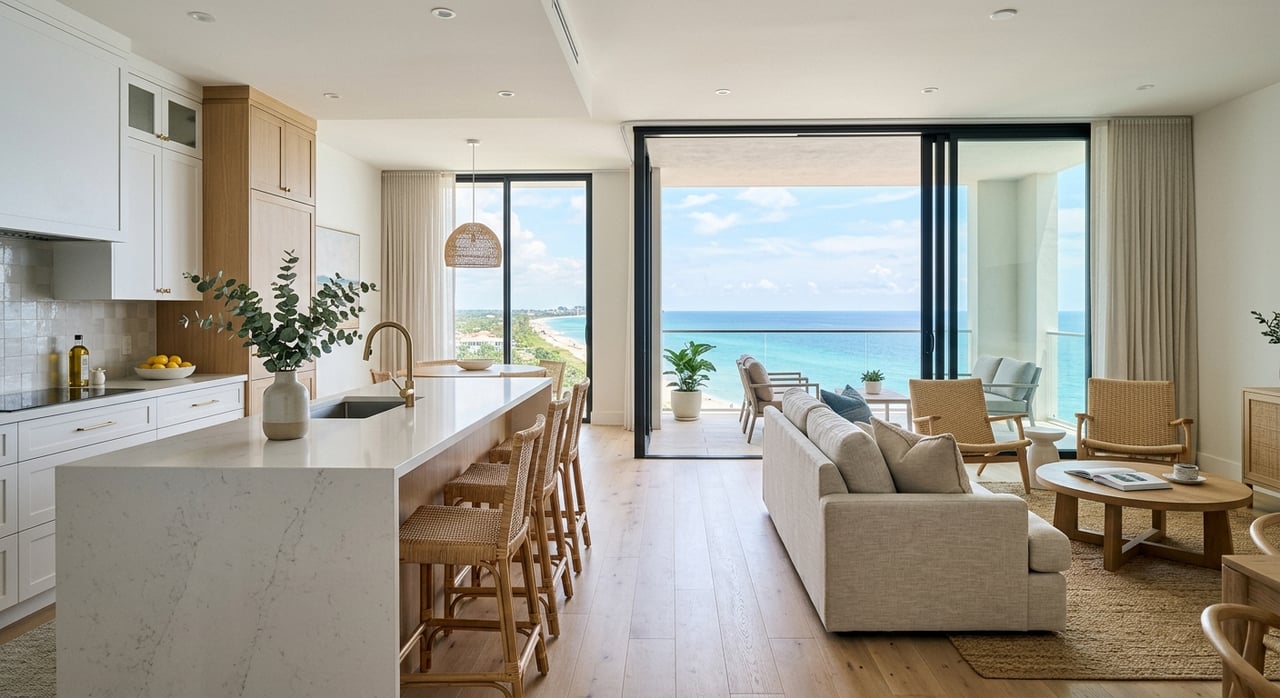
A condo is often a strong fit if you want a more hands-off ownership style. In local examples, condo communities may include features like pools, private beach access, balconies, laundry areas, club spaces, and on-site rental management.
That convenience can be a major plus if you are buying a second home or want less day-to-day exterior responsibility. Some local HOA packages also include items such as water, sewer, trash, cable or internet, pest control, termite bond coverage, flood and master insurance, and exterior or grounds maintenance.
Condo Ownership Rules Matter
In North Carolina, the Condominium Act sets the basic framework for condo ownership. The association is generally responsible for maintaining, repairing, and replacing common elements, while you are responsible for your unit itself.
That split sounds simple, but you need to read the details carefully. Items like decks, porches, balconies, patios, exterior doors, and exterior windows can be limited common elements depending on the declaration, which means responsibility may not be as obvious as it first appears.
Condo Tradeoffs to Expect
The biggest tradeoff with a condo is control. You usually cannot change the exterior appearance of your unit or common elements without permission, and your ownership experience depends heavily on the HOA’s rules, budget, reserves, insurance, and rental policies.
That is why two condos in Carolina Beach can feel very different on paper. One building may support short-term rentals or on-site rental management, while another may prohibit short-term rentals entirely.
Why Cottages Appeal to Buyers
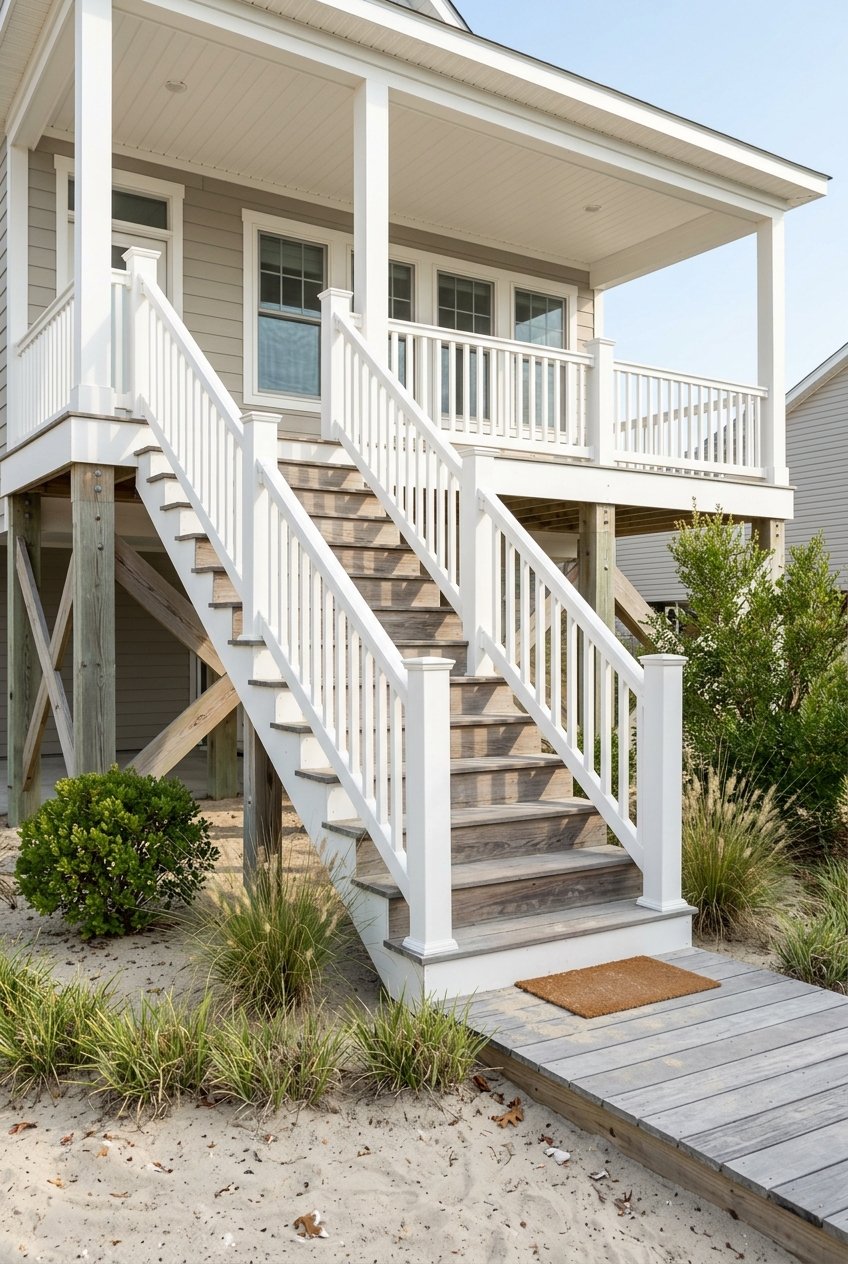
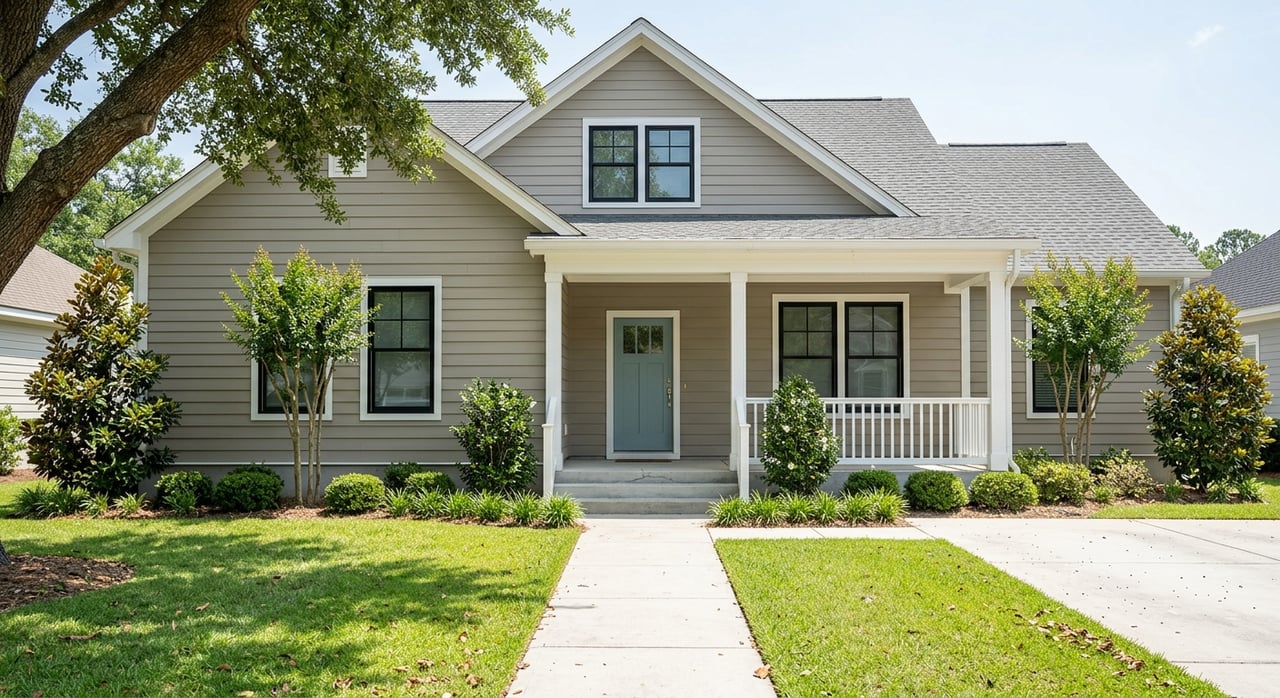
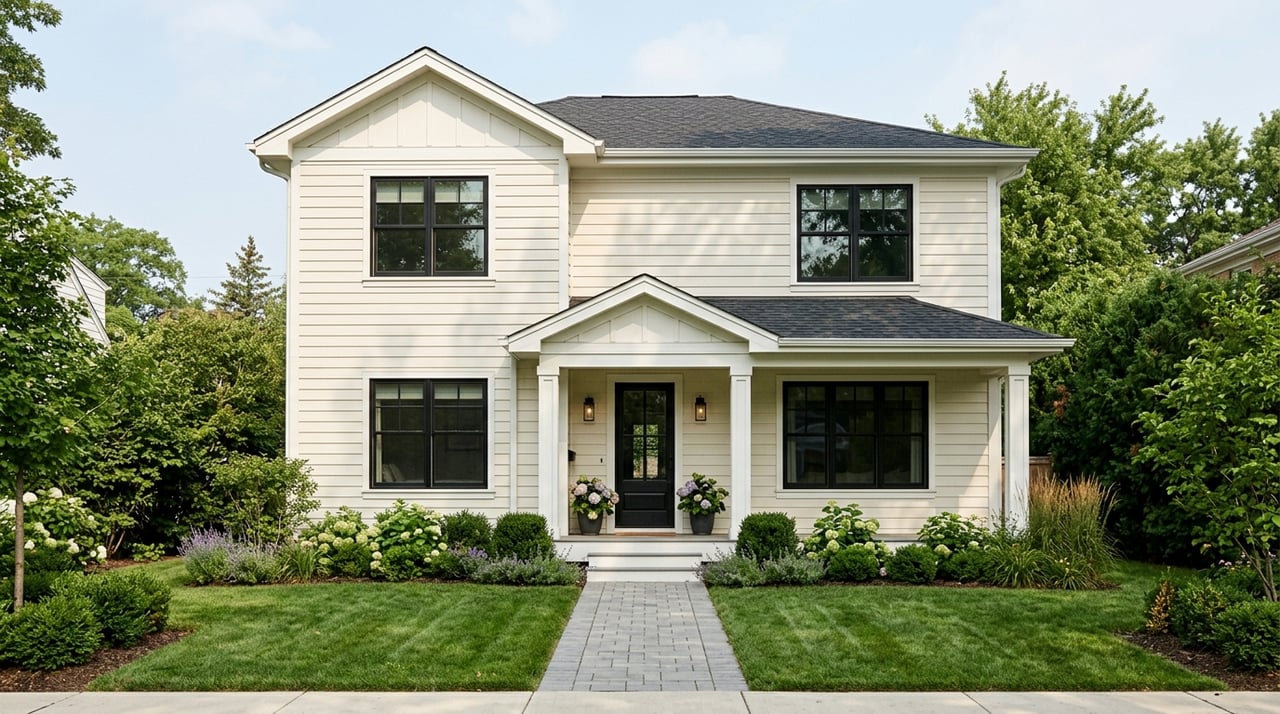
A cottage often fits buyers who want a more traditional home feel. In Carolina Beach, current examples point to detached homes with features like onsite parking, porches, fenced or private backyards, and full private access.
If you picture yourself enjoying coffee on a front porch, storing beach gear with fewer shared-space concerns, or having a little more separation from neighbors, a cottage may feel more natural. For many buyers, that privacy is a big part of the appeal.
Cottage Flexibility Comes With Responsibility
The upside of a cottage is freedom. You generally have more control over outdoor spaces and a more private setup than you would in a shared building.
The tradeoff is that you are usually taking on more direct responsibility for the exterior and site. Tasks that a condo association may handle in a shared community often become your job when you own a detached property.
Condo vs Cottage in Carolina Beach
Here is the simplest way to think about it: condos usually trade more rules for less upkeep, while cottages usually trade more responsibility for more control.
If your goal is easy ownership and shared amenities, a condo may be the stronger match. If your goal is privacy, outdoor space, and a home-like layout, a cottage may be the better fit.
| Factor | Condo | Cottage |
|---|---|---|
| Maintenance | More shared and HOA-managed | More owner-managed |
| Privacy | Usually less private | Usually more private |
| Amenities | Often includes pools, beach access, or shared features | Typically fewer shared amenities |
| Exterior changes | Usually more restricted | Usually more flexible |
| Rental rules | Must be checked building by building | Still subject to local rental tax rules if rented |
| Ownership feel | More lock-and-leave | More traditional single-home feel |
Rental Plans Need Extra Attention
If you want rental income, do not assume every property works the same way. In Carolina Beach, local condo examples show that some communities allow rental management or short- and medium-term rentals, while others prohibit short-term rentals.
That means your rental strategy can change completely depending on the building. Before you move forward on a condo, review the association documents closely and confirm the current rental policy.
Short-Term Rental Tax Rules
If the property will be rented short term in Carolina Beach, New Hanover County says a 6% room occupancy tax applies. The county also states that monthly reporting is required, with reporting due by the 20th of the following month.
That applies to short-term rental accommodations including cottages, houses, and similar stays in Carolina Beach. If rental income is part of your budget, these carrying costs and reporting requirements should be part of your decision from the start.
Flood Risk Should Be a First Step
In Carolina Beach, flood exposure is not something to check at the very end. It should be one of the first parts of your search because it can affect insurance cost, timing, and the overall affordability of the home.
The Town of Carolina Beach says updated preliminary Flood Insurance Rate Maps have been issued, and New Hanover County directs buyers to official flood map resources. The county also notes that standard homeowners insurance does not cover flooding.
Flood Insurance Timing Matters
Flood insurance can also affect your timeline. New Hanover County notes that flood insurance typically takes up to 30 days to go into effect.
That means a property that looks manageable on the surface may require a more careful review before closing. It is worth verifying flood exposure early, whether you are looking at an oceanfront condo or a cottage farther off the beach.
Budget Beyond the Mortgage
Your purchase budget should include more than principal and interest. In Carolina Beach, the current town property tax rate is 0.1417 per $100 of assessed value, and the county rate is 0.2950 per $100.
The town’s own example shows that a $600,000 property would generate $2,620.20 in combined annual town and county tax. Those taxes are billed through the New Hanover County Tax Office.
Compare Dues, Insurance, and Upkeep
For a condo, you need to weigh HOA dues against what those dues cover. In local examples, that may include insurance items, utilities, pest services, and exterior maintenance.
For a cottage, you may not have that same monthly HOA structure, but you could have more direct expenses related to the exterior and site. A lower monthly payment on paper does not always mean lower overall ownership cost.
Documents to Review Before You Buy
If you are buying a condo, document review is essential. North Carolina law requires associations to disclose reserve amounts and projected common expenses in the budget, and associations must maintain required insurance on common elements.
Before closing, ask for the declaration, bylaws, budget, reserve disclosures, master insurance details, and current rules on rentals, pets, parking, and storage. Those documents can tell you just as much about the property as the unit itself.
How to Make the Right Choice
If you are still deciding, start with your lifestyle instead of the listing photos. Ask yourself how often you will use the property, whether you want to rent it, and how much maintenance oversight you are comfortable handling.
A condo may be the better fit if you want a simpler lock-and-leave option with shared amenities and a more predictable maintenance structure. A cottage may be the better fit if you want privacy, outdoor living, and more control over how the property feels and functions.
In Carolina Beach, the smartest buyers look beyond the view and focus on the full ownership picture. When you line up the rules, costs, flood considerations, and day-to-day lifestyle, the right answer usually becomes much clearer.
If you want help comparing condos and cottages in Carolina Beach, Derek Criscitiello can help you weigh the numbers, review the ownership details, and narrow in on the property that fits the way you want to live.
FAQs
What is the main difference between condos and cottages in Carolina Beach?
- Condos usually offer more shared maintenance and amenities, while cottages usually offer more privacy, outdoor space, and owner responsibility.
What should Carolina Beach condo buyers review before closing?
- You should review the declaration, bylaws, budget, reserve disclosures, master insurance details, and current rules for rentals, pets, parking, and storage.
Are Carolina Beach short-term rentals taxed?
- Yes. New Hanover County says short-term rentals in Carolina Beach are subject to a 6% room occupancy tax with monthly reporting due by the 20th of the following month.
Why is flood insurance important for Carolina Beach homes?
- New Hanover County states that homeowners insurance does not cover flooding, and flood insurance typically takes up to 30 days to go into effect.
How much are property taxes in Carolina Beach?
- Carolina Beach currently lists a town tax rate of 0.1417 per $100 of assessed value and a county rate of 0.2950 per $100, with the town showing a $600,000 home example at $2,620.20 in combined annual tax.