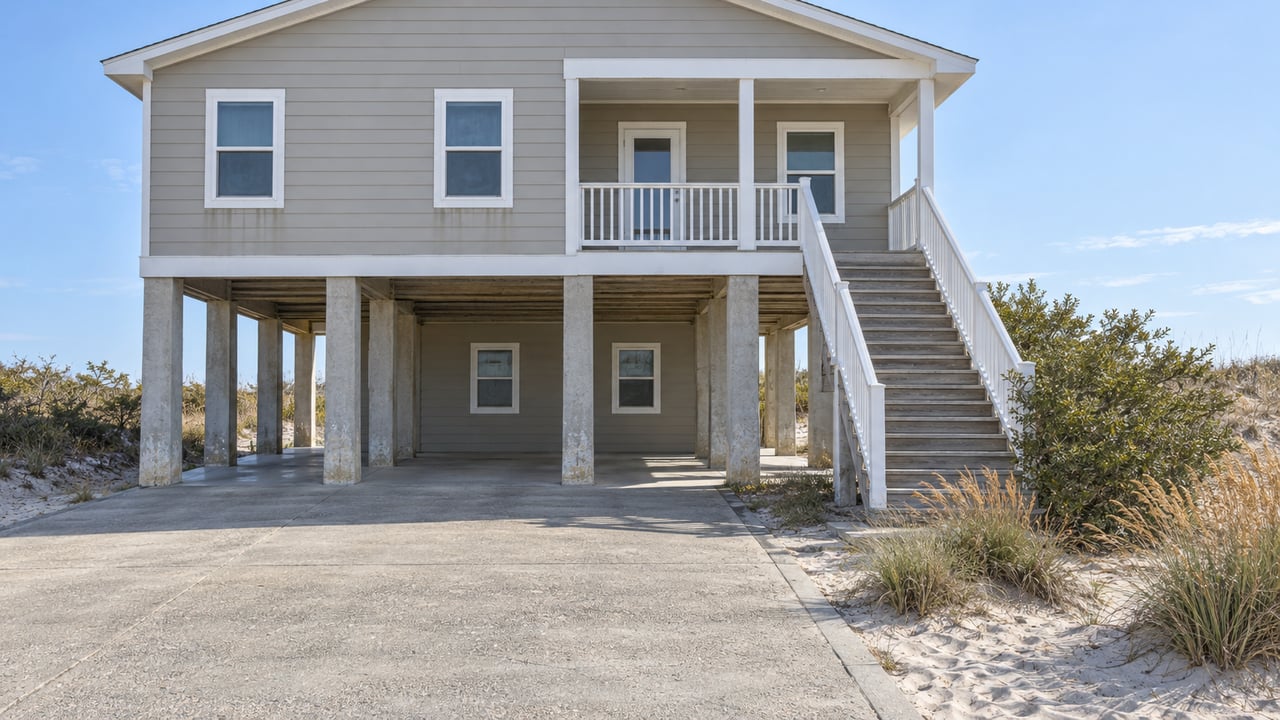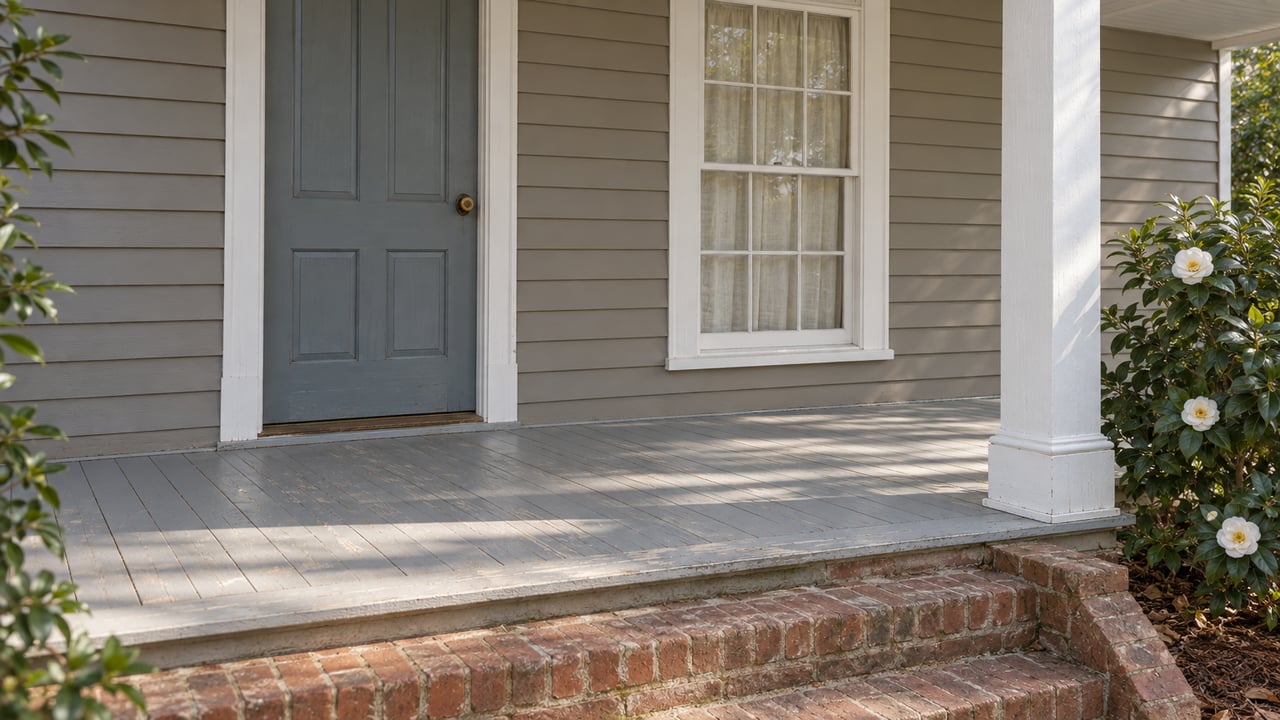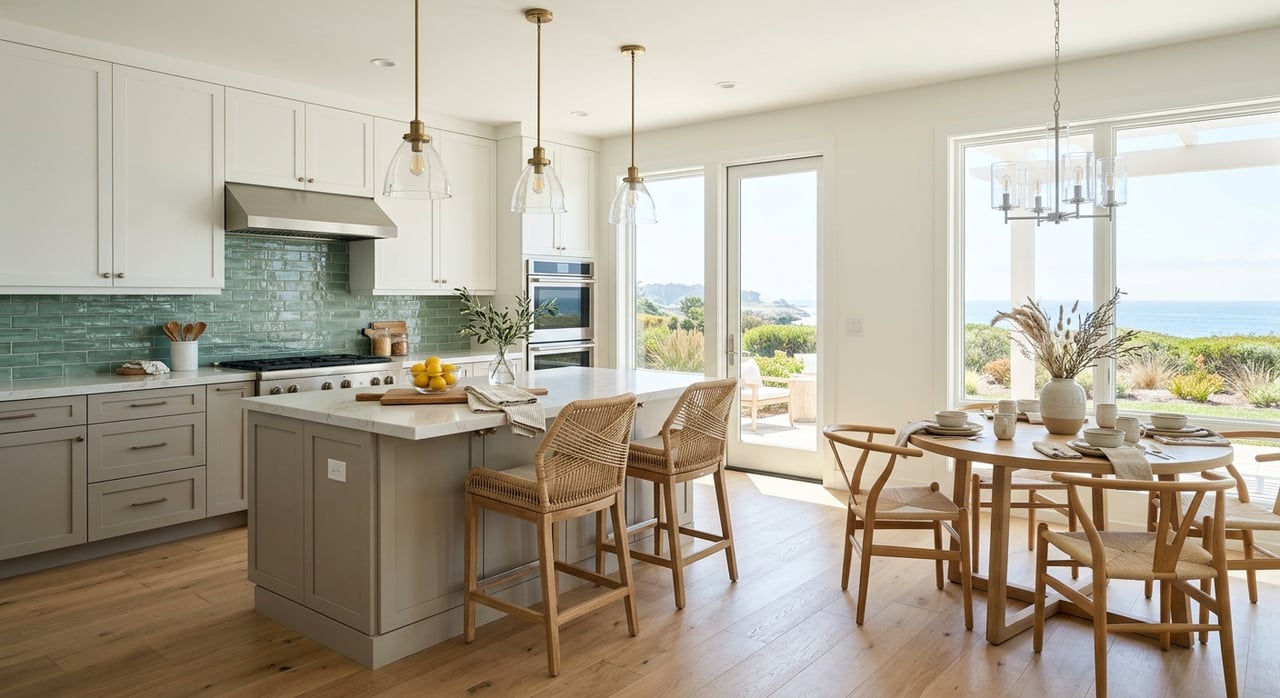
If you price a new construction home in Leland like any other listing, you can leave money on the table or slow down your momentum from day one. In a fast-growing town, buyers are paying attention to location, phase, finishes, and how complete the story feels before they ever schedule a showing. When we price and market new construction, our goal is simple: match the home to the right submarket, present it clearly, and launch it with a plan that makes sense for Leland. Let’s dive in.
Why Leland needs a tailored strategy
Leland is not standing still. Census estimates place the town at 35,731 residents in 2025, up sharply from 23,365 in 2020, while Brunswick County also posted strong growth. That kind of growth creates opportunity, but it also creates more moving parts when you bring a new home or a new phase to market.
At the same time, Leland remains a largely owner-occupied market. The Census reports an owner-occupied housing rate of 80.6% and a median owner-occupied value of $398,900 for 2020 through 2024. That matters because many buyers here are looking for a primary home and long-term fit, not just a quick investment play.
Current pricing data also shows a market that is active, but not careless. Recent trackers place Leland in the high $300,000s, with differing figures by methodology, including a median sale price of $394,763 from Redfin and an average home value of $389,119 from Zillow. The takeaway is not the exact number. The takeaway is that buyers still compare value closely.
How we price new construction homes
Pricing starts with discipline. We do not begin with a broad town average and hope it fits. We start with the most relevant comps possible and build outward only when needed.
Start with community-specific comps
In Leland, neighborhood and planned community data can vary a lot. Recent median sale prices have been reported around $618,000 in Brunswick Forest and about $497,000 in Waterford of the Carolinas, both above the townwide median. That spread is why community-specific pricing matters so much for new construction.
If your home is in a planned community, we look first at the most recent comparable sales in that same neighborhood or phase. Then we consider homes with similar square footage, layout, lot type, finish level, and utility. A house on a premium lot should not be priced like an interior lot just because the floor plan matches.
Adjust for lot, upgrades, and utility
Not all value is captured in bedroom and bath count. In new construction, details like green-space views, water proximity, garage function, storage, one-level living, and outdoor usability can shape buyer demand.
That is especially important in Leland, where the town’s demographics and planning efforts support strong interest in accessibility, circulation, and low-maintenance living. Census estimates show 28.4% of residents are 65 or older, and the town’s Age-Friendly Strategic Plan highlights safe, walkable streets along with better housing and transportation options. When buyers see practical features that support daily living, those features can influence pricing power.
Factor in phase timing
A first release and a later release do not compete in the same exact environment. As Leland grows and infrastructure improves, each phase can enter the market with a different mix of access, amenity completion, surrounding inventory, and buyer expectations.
The town has adopted its first Integrated Mobility Plan and continues to invest in transportation and connectivity. That means a later phase may benefit from better nearby access or a more complete community feel, while an earlier phase may have launched before those improvements were in place. We price with those timing differences in mind.
Account for real delivery costs
A realistic price also needs to respect actual construction and approval costs. Leland’s FY25-26 fee schedule sets a residential new construction permit minimum of $300 and calculates permit cost using gross square feet under roof, ICC value per square foot, and a 0.0055 factor. The planning fee schedule also includes a $50 zoning review fee for new home construction and a $50 fee for temporary directional real estate signs.
Those fees may not drive the whole price, but they are part of the bigger picture. If a home or release carries more time, paperwork, or development cost, the pricing strategy should reflect that reality rather than ignore it.
Why approvals affect pricing and launch timing
In new construction, timing is part of the product. A home that looks ready is not always ready for market in the way buyers expect. That is why approvals and launch planning need to work together.
Align marketing with town review
The Town of Leland Planning and Inspections Department oversees land use, permits, inspections, flood damage prevention, and related reviews. Residential new construction applications move through the town’s Evolve system and may involve zoning, floodplain, and building-plan review before a permit is issued.
For larger development, review can begin even earlier at the site-plan stage. That means your listing calendar, signage, and public launch should line up with actual approvals, not just build progress. A well-timed launch creates confidence and helps avoid mixed signals in the market.
Watch floodplain and coastal constraints
Some lots in Leland come with extra layers of review. The town notes that development within a special flood hazard area can require a floodplain development permit for structures, grading, fill, docks, and similar work. Brunswick County is also in North Carolina’s CAMA system, which means certain projects in Areas of Environmental Concern may require a CAMA permit.
That does not mean every lot is complicated. It does mean the true timeline and delivery cost can change based on location. We believe buyers and builders are best served when those factors are understood early and communicated clearly.
How we market new construction homes
A strong new construction launch should feel complete on day one. Buyers are often comparing not just the home, but also the clarity of the information they receive. Better presentation reduces friction and helps the property stand out in a market where buyers have options.
Lead with visuals buyers actually use
According to NAR’s 2025 buyer-seller research, internet users rate photos as the most useful listing feature, followed by detailed property information, floor plans, and virtual tours. That tells you something important. Buyers want to understand the home quickly and visually.
That is why we focus on polished presentation from the start. For South End Realty, that means combining Derek’s pricing and negotiation mindset with Keirsten’s photography and marketing eye so the strategy and the visuals support each other.
Build a day-one launch package
For a model home, spec home, or community release, we want the marketing package to feel ready, not pieced together over time. A complete launch often includes:
- Professional photography
- Floor plans
- Short-form video or virtual tour assets
- Finish and upgrade documentation
- Clear community or phase maps
- Accurate pricing positioned against the right local comps
This kind of launch helps buyers understand what is included, what is upgraded, and how the home fits into the broader community. It also helps your listing look intentional and trustworthy from the first impression.
Tell the story beyond the house
In Leland, marketing the home alone is not enough. The surrounding mobility story matters too. Major roads in and around town include Highway 17, Highway 74/76, Highway 133, Village Road, and Old Fayetteville Road, and the town is actively resurfacing streets, adding bike lanes, and improving pedestrian safety.
Those facts give buyers helpful context about day-to-day movement and access. When appropriate, we highlight practical lifestyle details like one-level living, storage, curb appeal, and neighborhood circulation because those features connect directly to how people use a home.
What buyers want clarified up front
One reason some new construction listings lose momentum is simple confusion. Buyers do not want to guess what they are paying for or what conditions apply to the lot and community.
We work to make key details clear early, including:
- What is included in the base price
- Which finishes or features are upgrades
- Whether incentives are available and how they apply
- Whether the lot is affected by floodplain or coastal permitting issues
- What phase is being released and what infrastructure is complete
- Whether HOA or POA documents apply to ownership and use
Clear documentation supports better conversations, better offers, and fewer surprises during the transaction.
Why this approach fits Leland
Leland is growing fast, but it is still a market where pricing discipline and presentation matter. Buyers are comparing neighborhoods, phases, access, lot features, and finish levels. If the price is off or the story is incomplete, they tend to notice.
That is why our process is built around local comps, thoughtful adjustments, polished visuals, and careful coordination with town timelines and property-specific constraints. It is a hands-on approach, and we believe that matters in a town where no two new construction opportunities are exactly alike.
If you are preparing to sell a spec home, launch a new phase, or position a build more competitively in Leland, working with a local team that understands both pricing and presentation can make a real difference. To talk through strategy, connect with Derek Criscitiello.
FAQs
How are new construction homes priced in Leland?
- New construction homes in Leland are best priced using recent comps from the same neighborhood or planned community, then adjusting for lot type, upgrades, views, storage, garage utility, and release timing.
Why does phase timing matter for Leland new construction?
- Phase timing matters because later releases may enter the market with different nearby inventory, improved access, more complete amenities, or stronger infrastructure than earlier phases.
What permits can affect a new construction home in Leland?
- Depending on the property, a new construction home in Leland may involve zoning review, building-plan review, floodplain review, and in some cases added coastal permitting considerations under North Carolina’s CAMA system.
What marketing materials help sell new construction in Leland?
- The most useful materials typically include professional photos, detailed property information, floor plans, virtual tour or video assets, finish documentation, and clear community maps.
What should buyers ask about a new construction home in Leland?
- Buyers should ask what is included in the base price, which features are upgrades, whether the lot is in a floodplain or coastal review area, what phase is being released, and whether HOA or POA documents apply.