If you are torn between an oceanfront home and a second-row property in Kure Beach, you are asking the right question. The choice is not just about how close you are to the sand. It is about how you want to live, what tradeoffs you are comfortable with, and how each property fits your budget and long-term plans. The good news is that Kure Beach gives you strong options on both sides. Let’s dive in.
Why this choice matters in Kure Beach
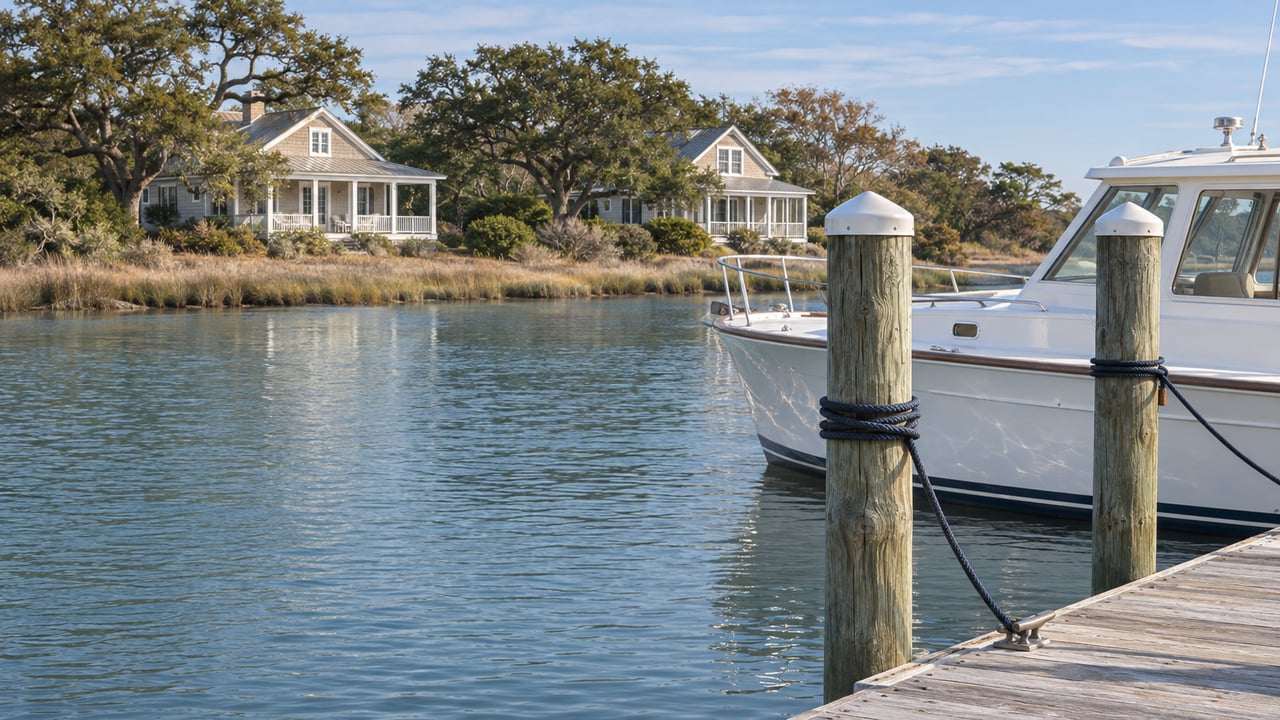
Kure Beach offers a very beach-centered lifestyle whether you buy directly on the ocean or a little farther back. The town highlights eight public beach accesses, a boardwalk, and Ocean Front Park beside the fishing pier. That means you can still enjoy daily beach access and a walkable coastal setting without owning direct frontage.
That local setup makes this decision more nuanced than many buyers expect. In some beach towns, oceanfront feels like the only way to get the full experience. In Kure Beach, second row and nearby homes can still put you close to the beach, downtown activity, and public amenities.
Oceanfront: what you are really buying
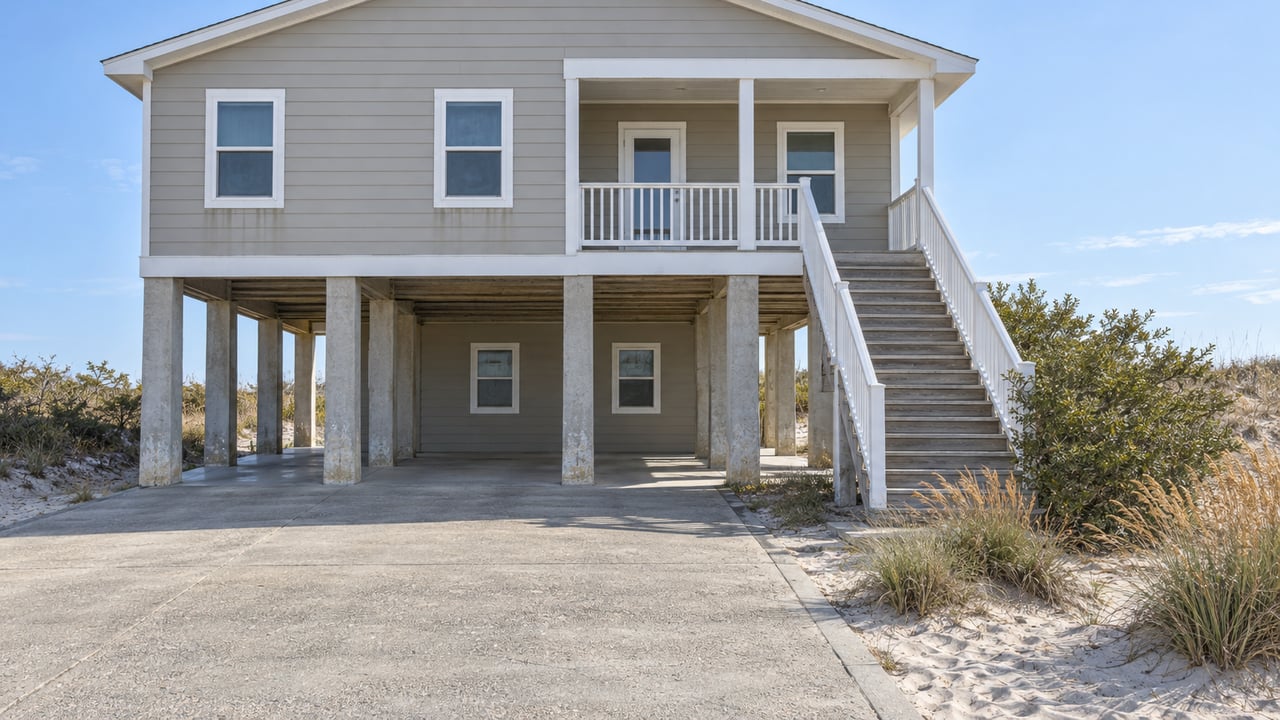
Oceanfront usually delivers the most direct version of beach living. You are paying for unobstructed Atlantic views, the shortest path to the sand, and the kind of daily experience that feels tied to the water from morning to night.
Current oceanfront listings in Kure Beach often highlight features like large decks, expansive windows, private walkways, and elevator access. If your top priority is stepping outside and seeing the ocean right in front of you, oceanfront is hard to match.
Best fit for a view-first lifestyle
Oceanfront tends to make the most sense when the view is the feature. If you picture coffee on the deck, a direct line to the beach, and the strongest possible coastal setting, that premium can be worth it.
It can also appeal to buyers who want a signature beach address. In the current market, public listing examples show how much direct frontage can elevate pricing, especially for higher-end single-family homes with luxury features.
Oceanfront tradeoffs to expect
The same location that creates those views also creates more exposure. Oceanfront homes typically face more direct weather impact, more exterior wear, and more questions around erosion, flood rules, and ongoing upkeep.
In Kure Beach, those issues are not theoretical. North Carolina coastal guidance notes that erosion rates vary by stretch of coast, and Kure Beach's draft beach management plan references shoreline setback factors of roughly 2 to 4 feet per year across different reaches. That does not mean every parcel has the same risk, but it does mean frontage should be evaluated carefully.
Second row and beyond: what you gain
Second-row and nearby homes can offer a very practical version of Kure Beach living. You may still be close enough to walk to the beach, enjoy upper-level water views, and spend time at Ocean Front Park, the pier area, and other public spaces without taking on full oceanfront exposure.
For many buyers, this option creates a better balance. You stay in the beach environment while sometimes gaining more interior space, a different home style, or a lower overall carrying cost.
Why second row works well here
Kure Beach's public infrastructure makes second row more realistic than in places with fewer access points. The town's beach accesses, boardwalk, and oceanfront public amenities help support an everyday beach lifestyle even when your lot is not directly on the water.
Parking policy also matters. The town says seasonal paid parking for 2026 runs from March 15 through September 30, from 8:00 a.m. to 6:00 p.m., but permits are optional if you can walk to the beach or downtown and do not need town parking during those hours. That is helpful for buyers considering homes that are close enough to walk instead of drive.
Second row does not always mean "less house"
One of the biggest mistakes buyers make is assuming oceanfront always costs more than anything off the ocean. In Kure Beach, public listing examples show that property type, size, condition, and HOA structure can matter just as much as row position.
For example, one current oceanfront condo is listed at $525,000, while near-beach homes farther back are listed at $725,000 and $790,000. That is why it helps to compare the full package, not just the map pin.
Price: compare the whole property
Redfin's Kure Beach market data shows a March 2026 median sale price of $880,000 and median days on market of 83. That gives useful context, but the real story is the range within the market.
At the top end, a new-construction oceanfront house is listed at $4.6 million with impact windows, an elevator, a saltwater pool, and a private walkway to the beach. At the same time, lower-priced oceanfront condos and higher-priced non-oceanfront homes show that frontage alone does not tell you everything.
Look at these cost drivers
When you compare oceanfront versus second row in Kure Beach, focus on these factors:
- Square footage
- Condo versus single-family structure
- HOA dues and what they cover
- Flood map status for the exact parcel
- Age and condition of the home
- Features like elevators, impact windows, or pools
- View quality from main living areas and upper floors
- Walkability to beach access, the pier area, and Ocean Front Park
A home a few blocks back may offer more space and fewer shared costs. An oceanfront condo may offer a prime setting at a lower entry price than a detached home. The right value depends on how you plan to use the property.
Flood, erosion, and maintenance questions to ask
This is where your decision gets practical fast. Oceanfront usually means more direct exposure, but you should never assume one row or one street has the same flood or erosion profile as another.
Kure Beach's stormwater page says an approved, professionally engineered stormwater plan is required before a building permit is issued, and the town's flood ordinance is intended to reduce losses in flood-prone areas. That makes due diligence especially important if you are considering updates, rebuilding, or new construction.
Verify the exact parcel
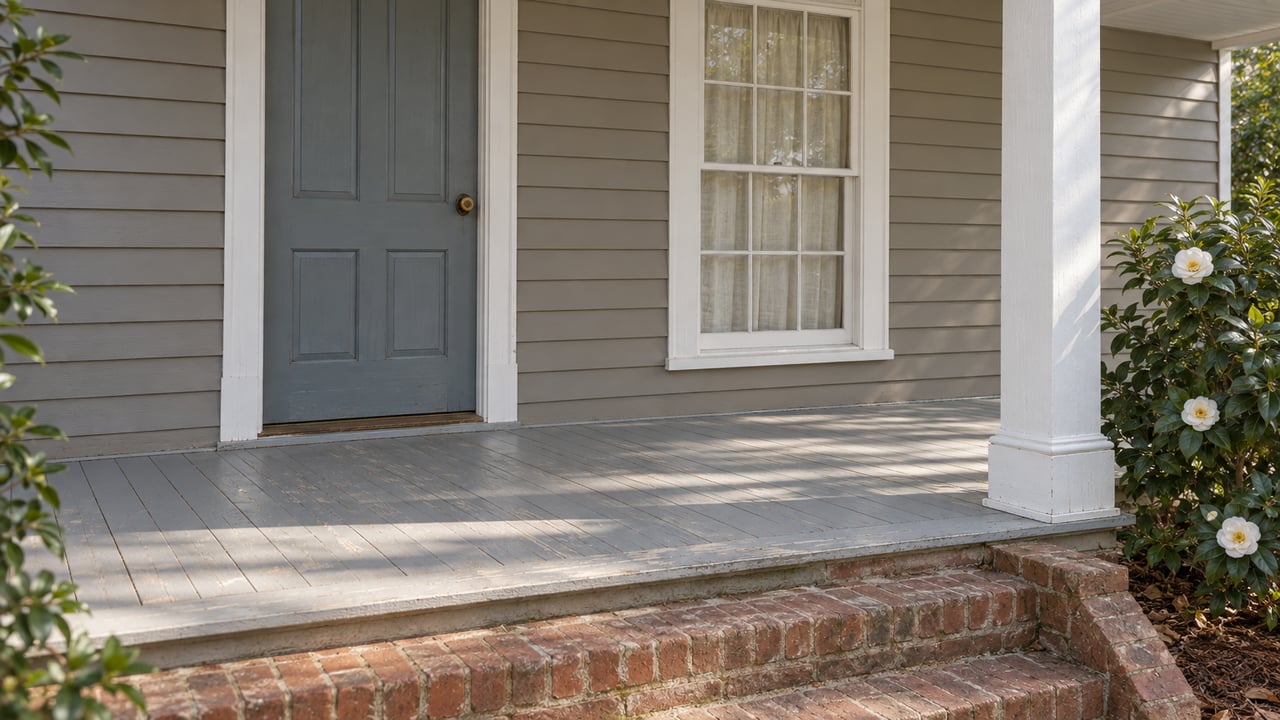
Before you make an offer, confirm details for the specific property. A listing example in Kure Beach notes a home five blocks from the beach as being outside a flood zone, which shows how much conditions can differ even within the same town.
Use your diligence checklist to verify:
- Flood map status for the exact parcel
- Any HOA dues and rules
- Stormwater or permitting requirements
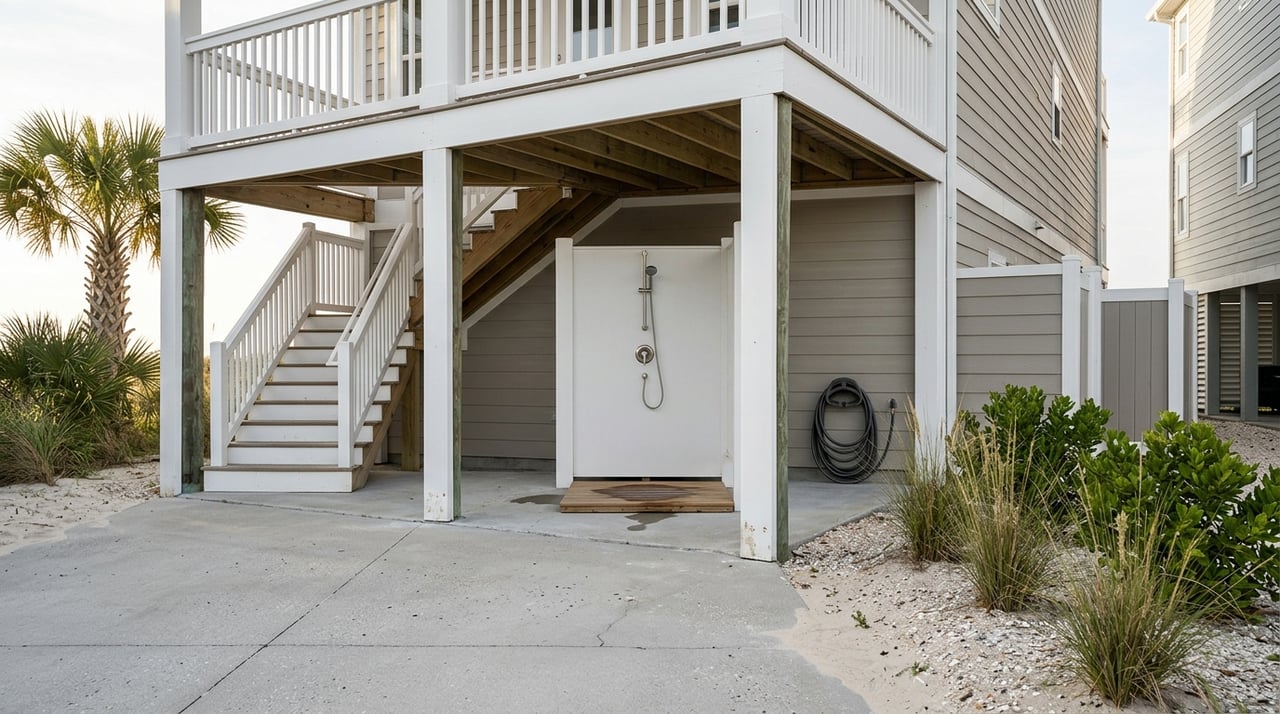
- Exterior maintenance demands
- Any rebuild or setback considerations tied to the lot
Beach nourishment matters, but it is not a cure-all
Kure Beach actively manages its shoreline through recurring nourishment. The town says nourishment funding is 65% federal, 17.5% state, and 17.5% room occupancy tax, with no Kure Beach property tax dollars used.
That is important context because it shows the beach is actively maintained. Still, nourishment does not remove site-specific erosion, flood, or rebuilding concerns. You still want to evaluate the property itself, not just the broader town policy.
A simple way to decide
If you are stuck, try framing the choice this way: view-first lifestyle versus lower-exposure practicality. That lens fits Kure Beach well because both options can deliver a strong beach-town experience.
Choose oceanfront if you want:
- Direct, wide-open ocean views
- Immediate beach access from home
- A stronger sense of beachfront privacy
- The full beach-address experience
Choose second row or beyond if you want:
- Close beach access with more flexibility
- Potentially lower exposure to coastal wear and flood issues
- A chance to stretch your budget differently
- More focus on interior space, layout, or value
Neither choice is automatically better. The right answer depends on whether your top priority is the daily view or the broader balance of cost, upkeep, and convenience.
Final thoughts for Kure Beach buyers
Kure Beach gives you more than one good way to enjoy coastal living. Oceanfront offers the clearest views and the shortest walk to the sand. Second row and nearby homes can still deliver walkability, beach access, and a true Kure Beach lifestyle with a different risk and cost profile.
If you want help comparing specific properties in Kure Beach, from flood map questions to HOA tradeoffs to price positioning, Derek Criscitiello can help you sort through the details and find the fit that makes the most sense for your goals.
FAQs
What is the main difference between oceanfront and second-row homes in Kure Beach?
- Oceanfront homes usually offer direct views and immediate beach access, while second-row and nearby homes often offer close walkability with less direct exposure and sometimes different value tradeoffs.
Can you still enjoy the beach easily from a second-row home in Kure Beach?
- Yes. Kure Beach has eight public beach accesses, a boardwalk, and Ocean Front Park, which helps make non-oceanfront homes practical for a beach-focused lifestyle.
Are oceanfront homes in Kure Beach always more expensive?
- No. Public listing examples show overlap by property type, with some oceanfront condos listed below larger near-beach single-family homes.
What should you verify before buying a Kure Beach beach-area home?
- Check the exact parcel's flood map status, HOA dues and rules, stormwater or permitting requirements, and any setback or rebuilding considerations.
Does beach nourishment eliminate erosion risk in Kure Beach?
- No. Kure Beach actively maintains its shoreline through nourishment, but buyers should still evaluate site-specific erosion, flood, and rebuilding factors for the property they are considering.