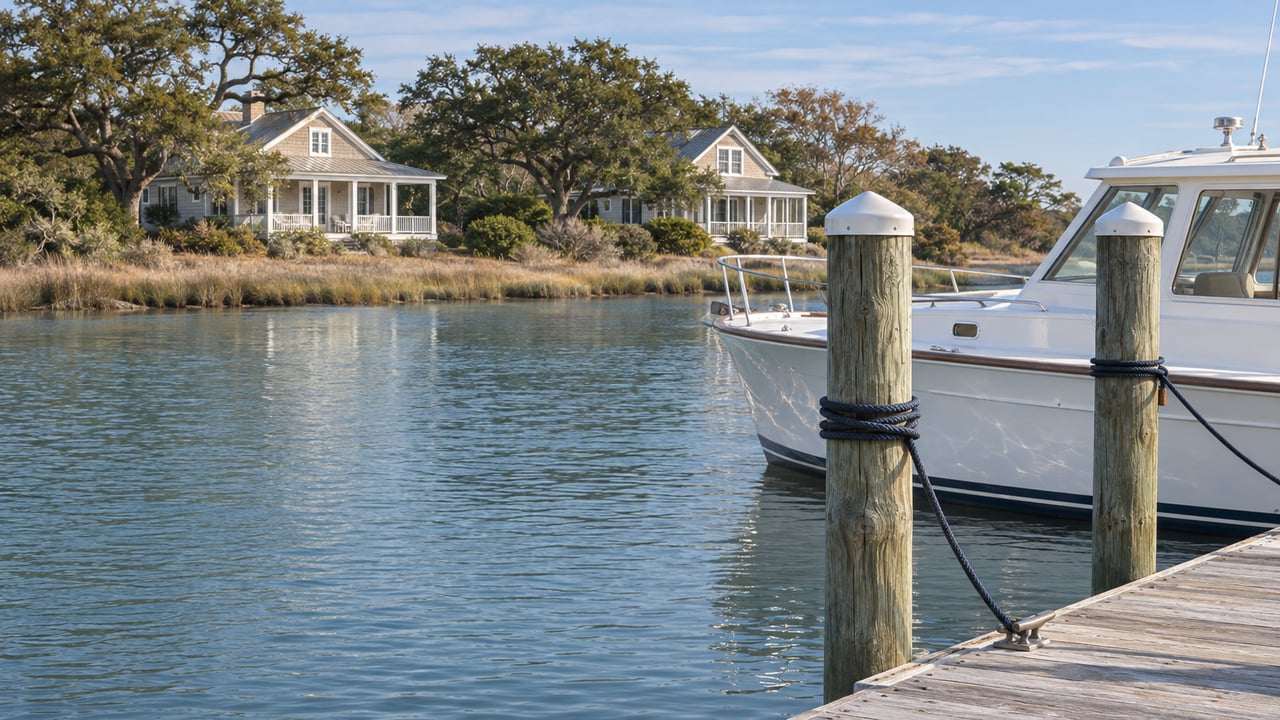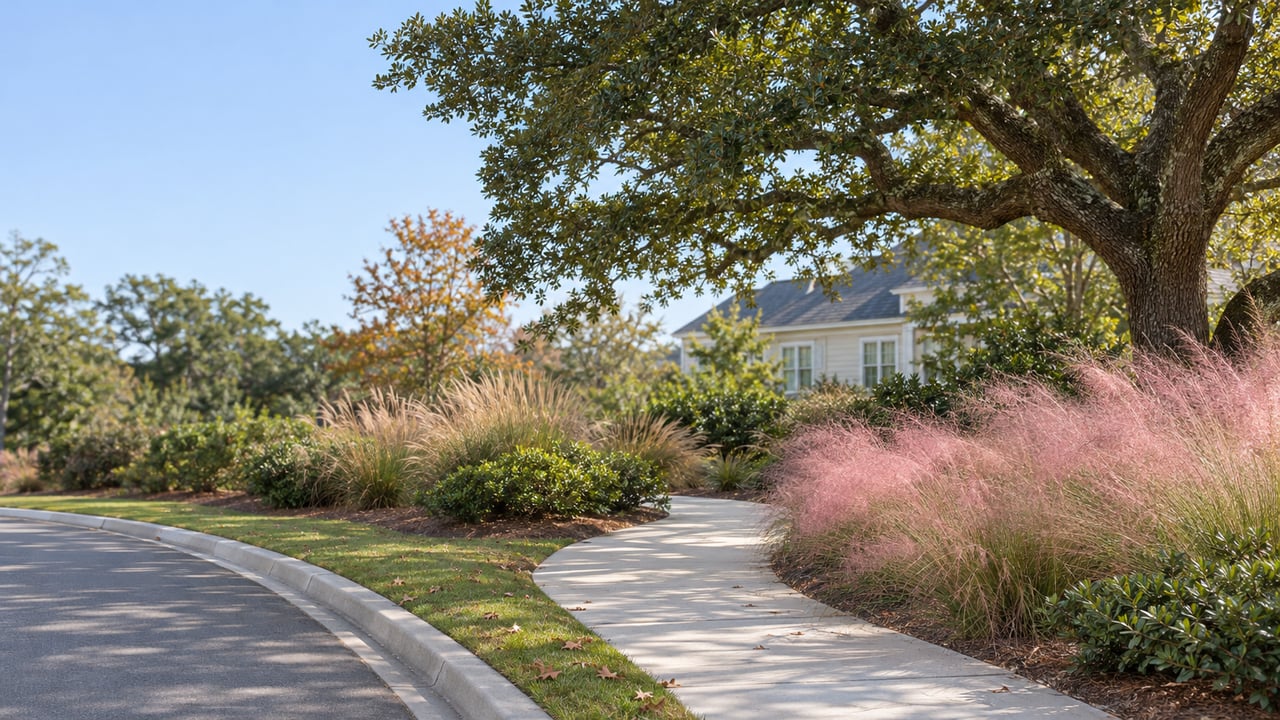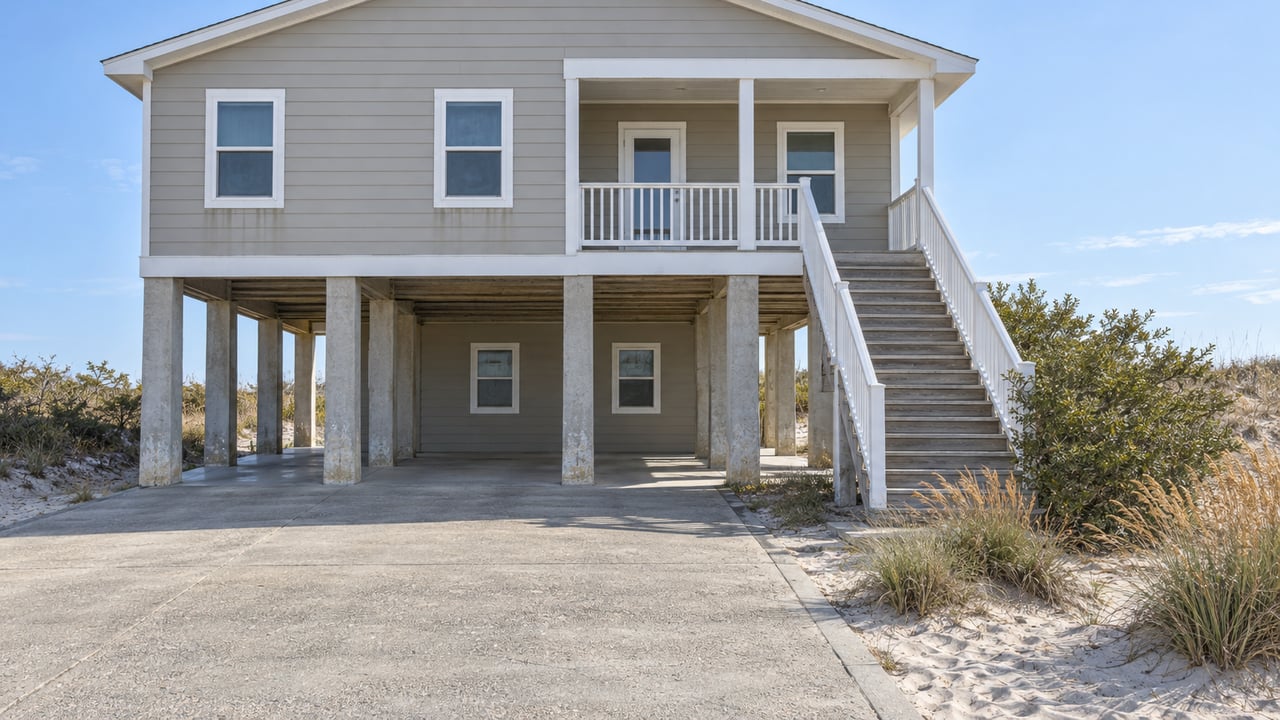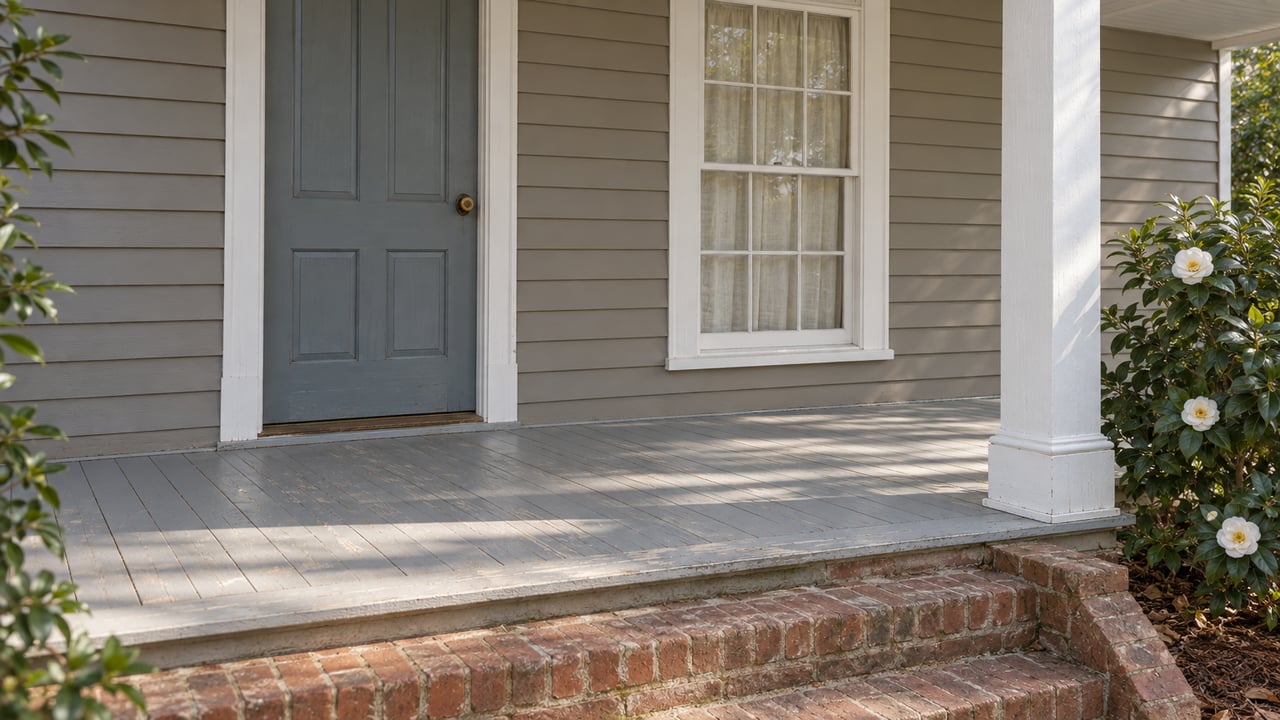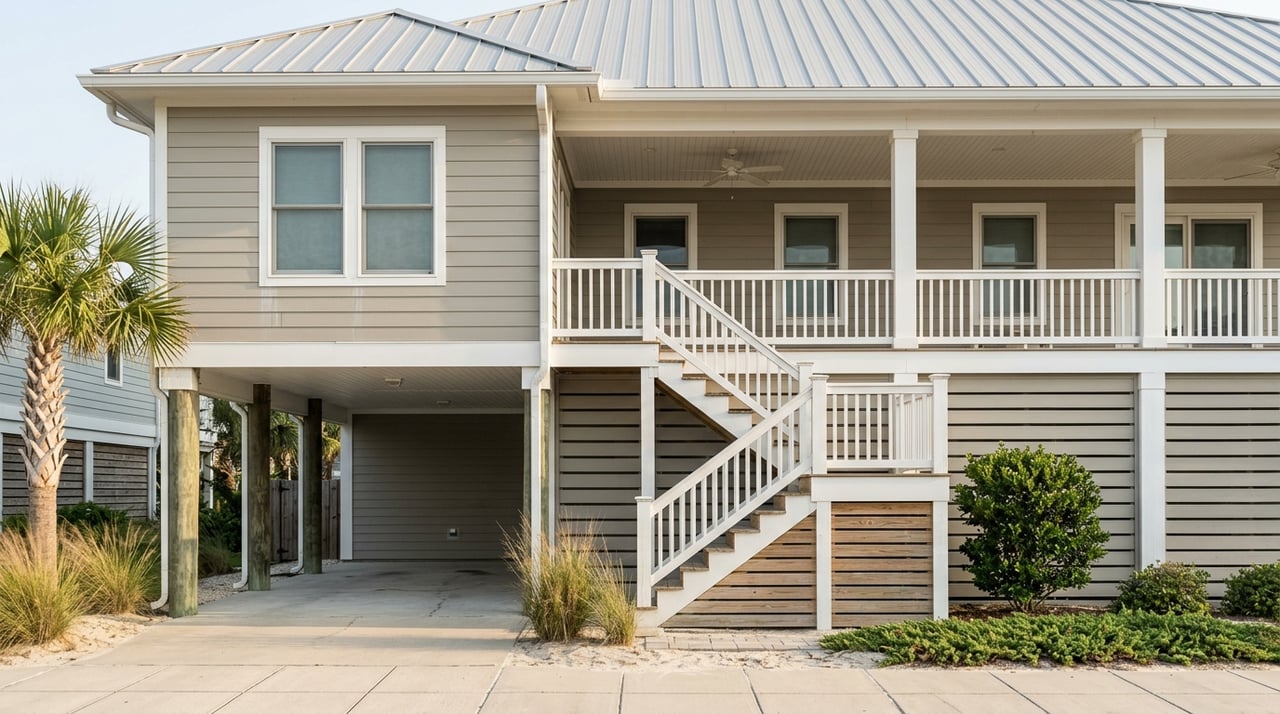
Buying in Topsail Beach is exciting, but owning here comes with a different rhythm than owning inland. You are not just buying a house near the water. You are stepping into a small-scale coastal community shaped by summer crowds, storm planning, beach upkeep, and the realities of salt air. If you are thinking about a primary home, second home, or seasonal retreat, this guide will help you understand what day-to-day ownership really looks like. Let’s dive in.
Topsail Beach has a seasonal pace
Topsail Beach is a small barrier-island town with a low-rise feel and a strong focus on conservation. The town’s history describes it as a friendly, family-oriented beach community with more than 1,200 homes, a small year-round population, and a major seasonal increase in visitors during the warmer months.
That seasonal swing affects how ownership feels throughout the year. In the off-season, the town is quieter and more relaxed. In summer, the population grows sharply, and the atmosphere shifts to a more vacation-driven pattern tied to restaurants, shops, motels, and the fishing pier.
The latest ACS 5-year profile adds more context. It reports 406 residents, 1,330 housing units, a median age of 68.2, and a median owner-occupied home value of $691,200. For you as an owner, that helps frame Topsail Beach as a market with a lot of seasonal housing and a distinct coastal lifestyle.
Summer brings more traffic and parking rules
If you own in Topsail Beach, summer will feel busier in very practical ways. The town says public parking is limited, and paid parking is enforced from March 1 through October 31.
That matters even if you are not using public parking yourself every day. More visitors usually mean more traffic, more movement around beach accesses, and more attention to parking enforcement. The town also notes that parking revenue helps fund beach maintenance and nourishment, so this seasonal system is tied directly to the long-term care of the shoreline.
Coastal maintenance is part of ownership
Owning near the ocean usually means more maintenance than you would expect inland. Moisture, wind, and salt exposure can wear on a home over time, so routine care matters more.
NC State Extension recommends setting aside about 1% to 3% of a home’s market value each year for maintenance. It also points to standard tasks like roof and gutter cleaning, exterior painting, and annual HVAC service. In a coastal setting, delaying those jobs can lead to more expensive repairs later.
A simple maintenance plan can help you stay ahead of issues:
- Inspect the roof and gutters regularly
- Service HVAC systems annually
- Watch exterior surfaces for wear
- Address moisture-related issues quickly
- Budget each year for ongoing upkeep
For many second-home owners, this is one of the biggest adjustments. A beach home can be incredibly rewarding, but it usually needs a more proactive approach.
Beach nourishment helps protect the shoreline
In Topsail Beach, shoreline care is not just a background issue. It is a core part of how the town works to protect homes, infrastructure, and the barrier island itself.
The town maintains its shoreline through a beach nourishment program and a 30-year beach management plan. According to the town, nourishment replaces sand lost to erosion and helps maintain the coastal barrier that protects homes and buildings.
For owners, this means beach conditions are closely connected to long-term property planning. You are buying into a community that actively manages erosion risk and shoreline stability, which is an important part of coastal ownership here.
Dunes need protection too
Dunes are not just scenery. They play an important role in stabilizing the shoreline and buffering coastal conditions.
NC State Extension explains that dune plants must survive harsh conditions like salt spray, sand blasting, burial, flooding, heat, drought, and low nutrients. It identifies plants such as American beachgrass, sea oats, bitter panicum, and seashore elder as key dune stabilizers.
If dune areas around a property are damaged, restoration can involve planting vegetation, using limited fertilizer, and protecting the area from trampling and traffic. For you as an owner, that means being mindful of how outdoor use affects the surrounding landscape. In a beach town, protecting the dune system is part of protecting the property itself.
Insurance requires closer review
Insurance is one of the most important parts of buying and owning a home in Topsail Beach. Coastal properties often need more careful policy review than homes farther inland.
The North Carolina Department of Insurance says standard homeowners insurance generally does not cover flood. Flood insurance is a separate policy, and it may still be available even outside Special Flood Hazard Areas if the community participates in the National Flood Insurance Program.
The same agency also says windstorm and hail coverage may be excluded from a primary homeowners policy in some coastal areas. In those cases, you may need a separate policy, often with its own deductible. Named-storm deductibles may also apply during watch-and-warning periods.
Before you close, it is smart to verify:
- The property’s flood zone
- Whether flood insurance is required or advisable
- How windstorm and hail coverage is structured
- The deductible amounts on each policy
- Whether a named-storm deductible applies
This is one area where details matter. Two homes on the same island can have different insurance setups depending on location, elevation, and policy structure.
Local flood rules matter
Topsail Beach directs residents to its local flood-damage-prevention rules in Chapter 14. The town also notes that FEMA flood map requirements apply to Special Flood Hazard Areas shown on Flood Insurance Rate Maps.
For you, this means flood risk is not something to treat as a quick checkbox during due diligence. It is worth confirming how the property is classified, what local rules apply, and how that connects to your insurance planning before closing.
Hurricane season changes your routine
Storm planning is a normal part of ownership in Topsail Beach. The town says hurricane season runs from June through November, with August, September, and October typically being the most active months.
The town asks residents to be prepared to leave if an evacuation is ordered. It also says you should plan to support yourself for 72 hours and understand that re-entry may be delayed until damage is assessed and roads are safe. Evacuation orders are typically issued about 24 hours before expected landfall.
If this is your second home or seasonal property, that planning becomes even more important. You may not always be in town when a storm is approaching, so your system needs to be ready before the season starts.
Seasonal owners need a local plan
For vacant or part-time homes, local coordination is essential. Topsail Beach uses a re-entry decal system, and the town says decals are mailed to the water-bill address. Replacement decals cost $10, and owners can designate an agent to secure the property.
That makes a reliable local contact especially valuable. If you spend part of the year away, it helps to keep your utility records, storm paperwork, and re-entry details current. A strong plan can save time and stress when weather conditions change quickly.
A good off-site ownership checklist includes:
- Keep your water-bill mailing address current
- Confirm your re-entry decal information
- Designate a trusted local agent if needed
- Maintain current insurance and policy contacts
- Create a storm-prep routine before leaving for the season
After-storm steps are part of ownership
If a storm or other event causes damage, your response matters. The North Carolina Department of Insurance advises owners to secure the property, remove valuables, lock windows and doors, and make reasonable emergency repairs to prevent further damage while documenting the loss.
That guidance is especially important for homes that sit empty between visits. A vacant coastal home can be more vulnerable after a weather event, so having a clear response plan in place is part of responsible ownership.
The lifestyle comes with tradeoffs
Owning a home in Topsail Beach often means accepting more seasonal change, more weather planning, and more maintenance than you would expect inland. That is the tradeoff.
In return, you get a small-scale coastal community with no high-rise development, a distinct beach-town identity, and a lifestyle shaped by the shoreline. For many buyers, especially second-home and coastal lifestyle buyers, that balance is exactly the point.
If you are considering a home in Topsail Beach, the key is going in with clear expectations. When you understand the rhythms of the town, the maintenance needs of a coastal property, and the insurance and storm-planning details, you can buy with more confidence and enjoy ownership more fully.
If you want expert guidance on buying or selling along the coast, Derek Criscitiello can help you navigate the details with a hands-on, local approach.
FAQs
What is daily life like for Topsail Beach homeowners?
- Daily life in Topsail Beach usually feels quieter in the off-season and much busier in summer, when visitor traffic, parking controls, and beach activity increase across town.
What maintenance should Topsail Beach homeowners expect?
- Topsail Beach homeowners should expect routine exterior and system maintenance, including roof and gutter cleaning, HVAC service, and ongoing attention to moisture, wind, and salt exposure.
Do Topsail Beach homes need flood insurance?
- Standard homeowners insurance generally does not cover flood, so Topsail Beach buyers should verify the property’s flood zone and review whether a separate flood policy is required or advisable.
How does windstorm coverage work for Topsail Beach homes?
- In some coastal areas, windstorm and hail coverage may be excluded from a main homeowners policy and handled through a separate policy with its own deductible.
What should seasonal owners know about hurricane planning in Topsail Beach?
- Seasonal owners should plan for possible evacuation orders, delayed re-entry, updated decal records, and a trusted local contact who can help secure the property when the owner is away.
Why does beach nourishment matter for Topsail Beach property owners?
- Beach nourishment matters because the town uses it to replace sand lost to erosion and help maintain the coastal barrier that protects homes and buildings.